Can you imagine reading a book with the chapters on “shuffle?” There would be no order to it. The story wouldn’t build on itself. There would be no sense of creative tension, suspense, or that driving need to find out how it all comes together in the end.
If you are putting a trip together for clients, it should be developed with the same care as a well-written novel.
Some years back, I had the opportunity to join a trip organized by another tour operator. Each day, we would head out with a schedule of projects to visit. Somewhere en route, the plan would change, and we would end up at some unexpected destination. It was usually something that was scheduled for later in the week that, for whatever reason, got bumped up, and we were told we would shift today’s plan to a later date.
My visceral reaction was “but…wait…you just can’t DO this! That’s not how it works!!!”
Now, I’m all for flexibility. After leading tours in Uganda for twenty years, I know how to go with the flow and make changes on the fly to adapt to the realities of Africa. I didn’t have that reaction because I’m rigid. I had that reaction because I see trip design as an art form.
The Trip Design Process
If your trip design process looks a lot like ordering from an a la carte menu, you are missing an important opportunity to take your clients into a deeper experience. If you can mix-and-match, dropping any component anywhere in your trip, you don’t have a story.
You have also forgotten to keep your clients at the center of your planning. What is their experience going to be? At what point in a trip will they get the most out of a certain experience? What do they need to have seen already in order to fully understand what they are seeing now?
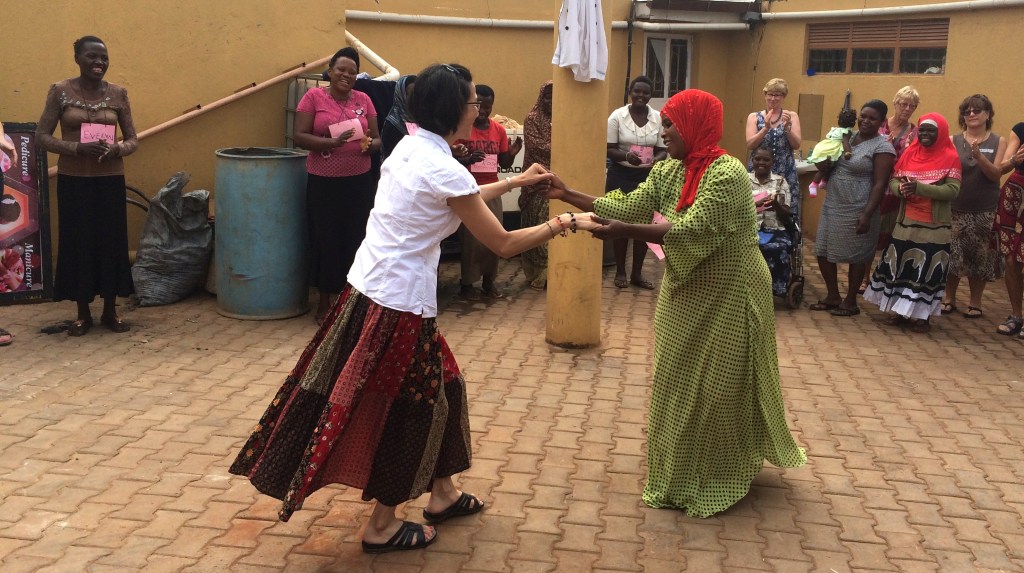
When I was designing trips to support poverty eradication projects in Uganda, I was very intentional about the flow and sequencing. I started with a high-energy, positive experience singing and dancing with the Ugandan women in the programs to help the visitors feel comfortable, connected, and excited about their time in the country (it helps that Ugandans happen to be some of the friendliest and most welcoming people in the world).
Then, I would gradually start to push them out of their comfort zones. Over the next few days, we would visit women in their communities (sometimes in pretty difficult circumstances), dive into the complexities of global poverty, and bring the first half of the trip to a crescendo with a 2 – 3 night homestay in a local village.
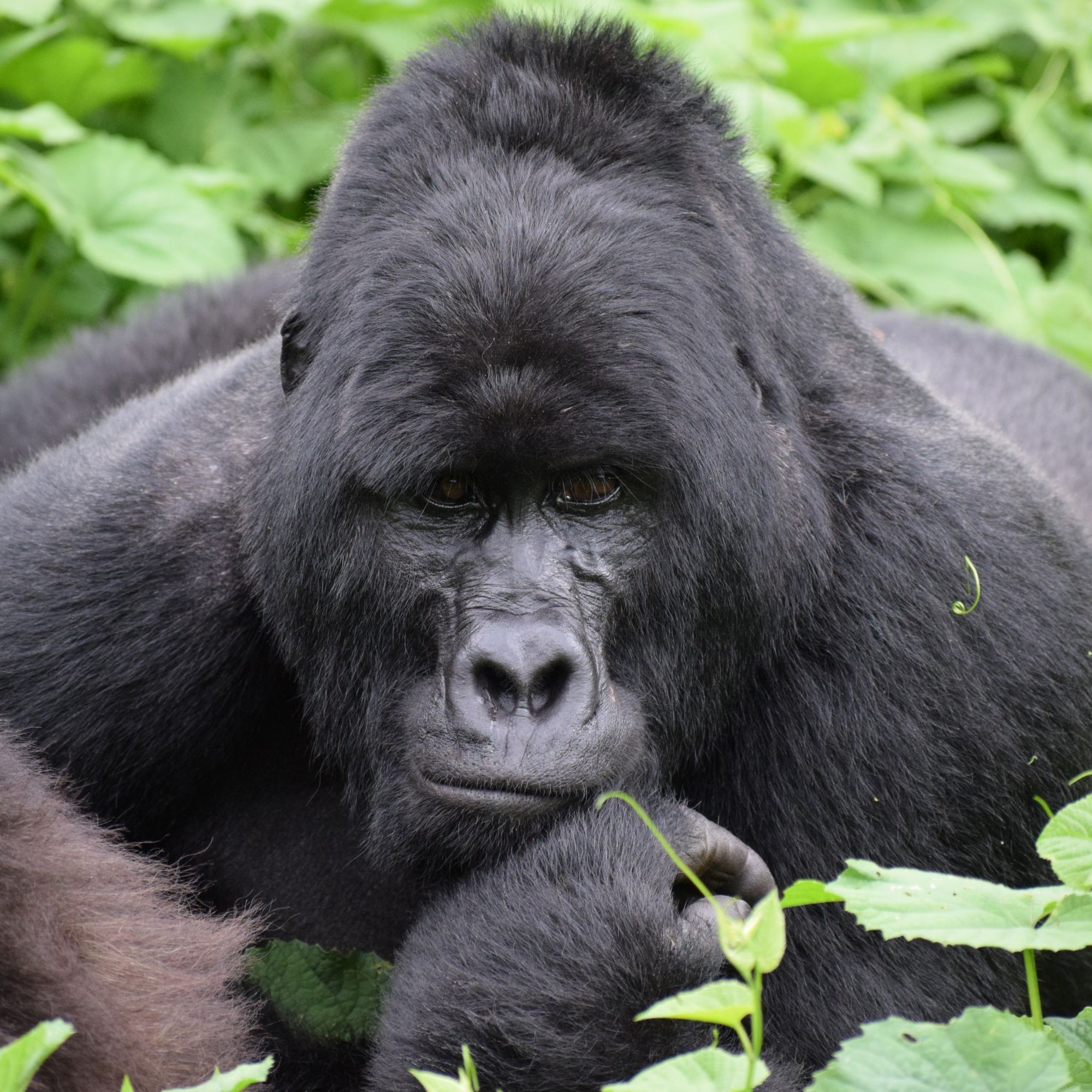
We would then go straight from the village onto safari. The physical comforts of being in a nice safari lodge and the psychological comforts of being immersed in nature created the space needed to process the intense experiences they had had so far.
After the safari, we visited more programs back in Kampala, and re-visited our village hostesses. I always ended with this instead of the safari because I wanted their connections with people to be their last memory of the trip. My message is that poverty – and the solutions to poverty – have faces and names and stories, and we are all connected through our shared humanity.
What’s Your Story?
Your flow and your story will depend on your destination. If you lead tours in East Africa or Southeast Asia, you might want to tell a story about why wildlife conservation is important, or how the global economy is opening up opportunities in these parts of the world. If you lead tours to Greece or Jerusalem, you might weave a 2,000-year-long story that culminates with why historical preservation is critical and matters to all of us.
Most importantly, be intentional. Get your clients connected to the destination, provide experiences and knowledge to enrich them, give them space to process, and then think about the messages and last images you want them to leave with.


Leave a Reply